Fruit That Actually Tastes Like Where It's From
Mangoes, dragon fruit, and heirloom apples from growers we work with directly. No supermarket bins.
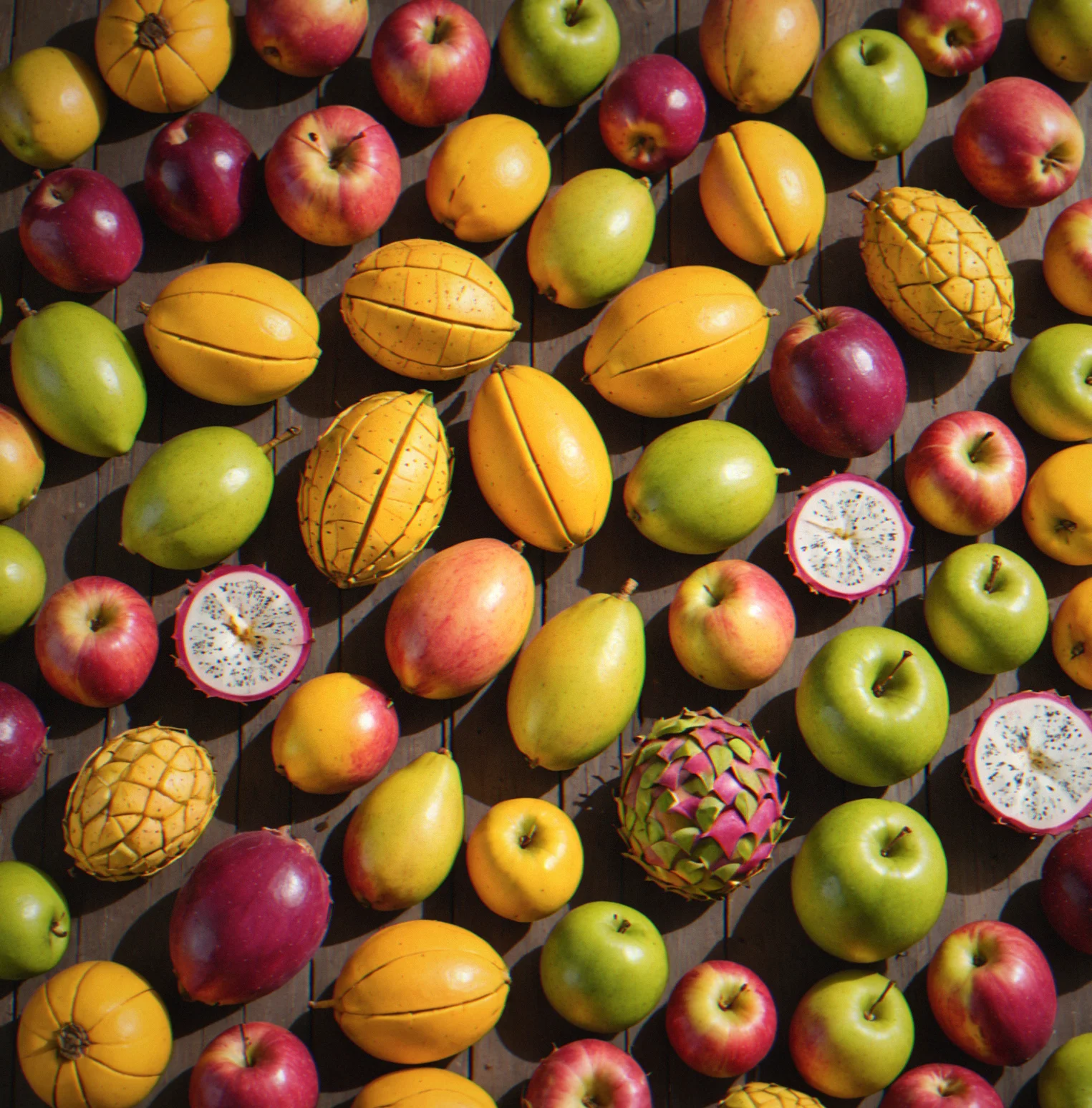
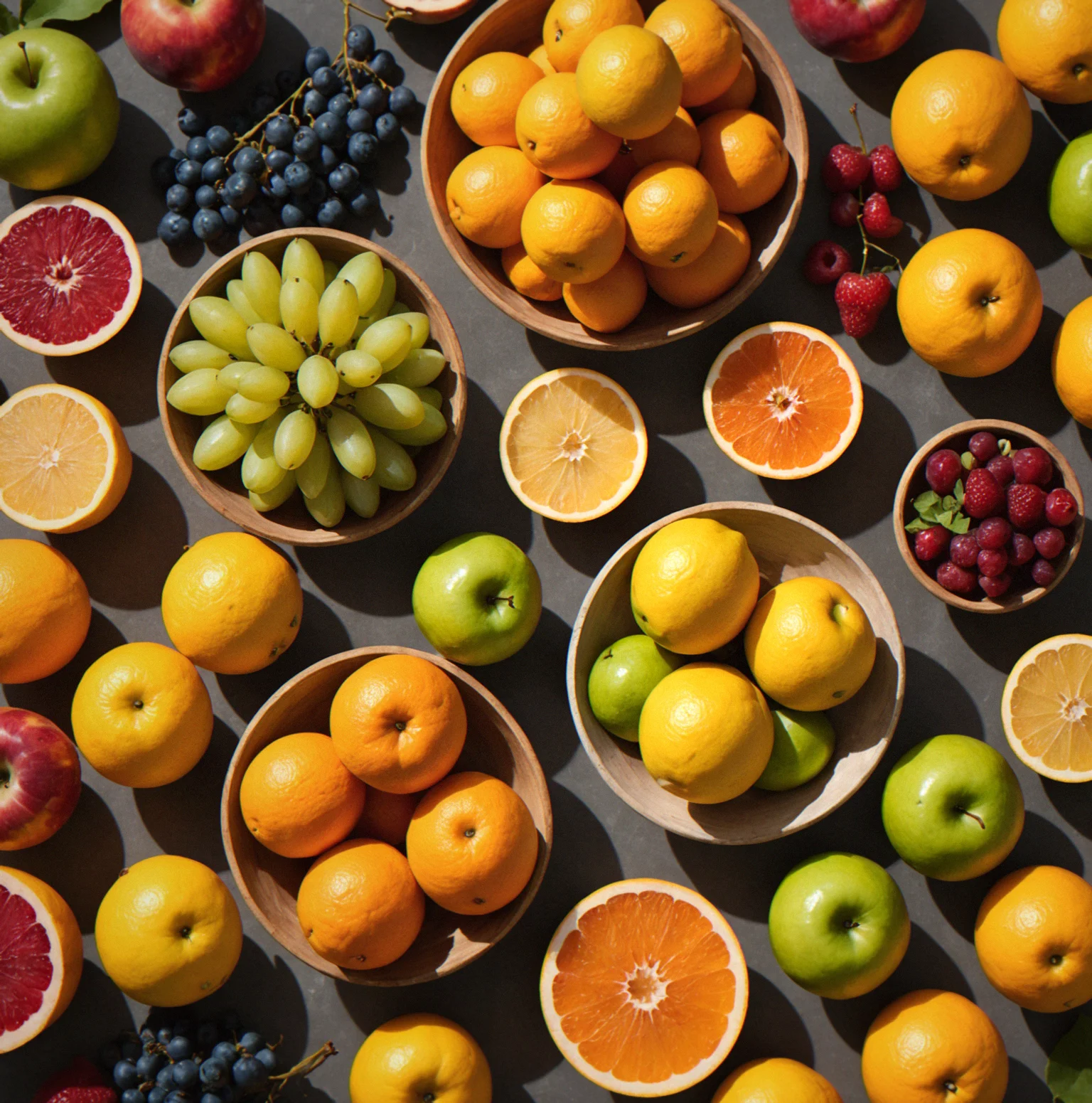
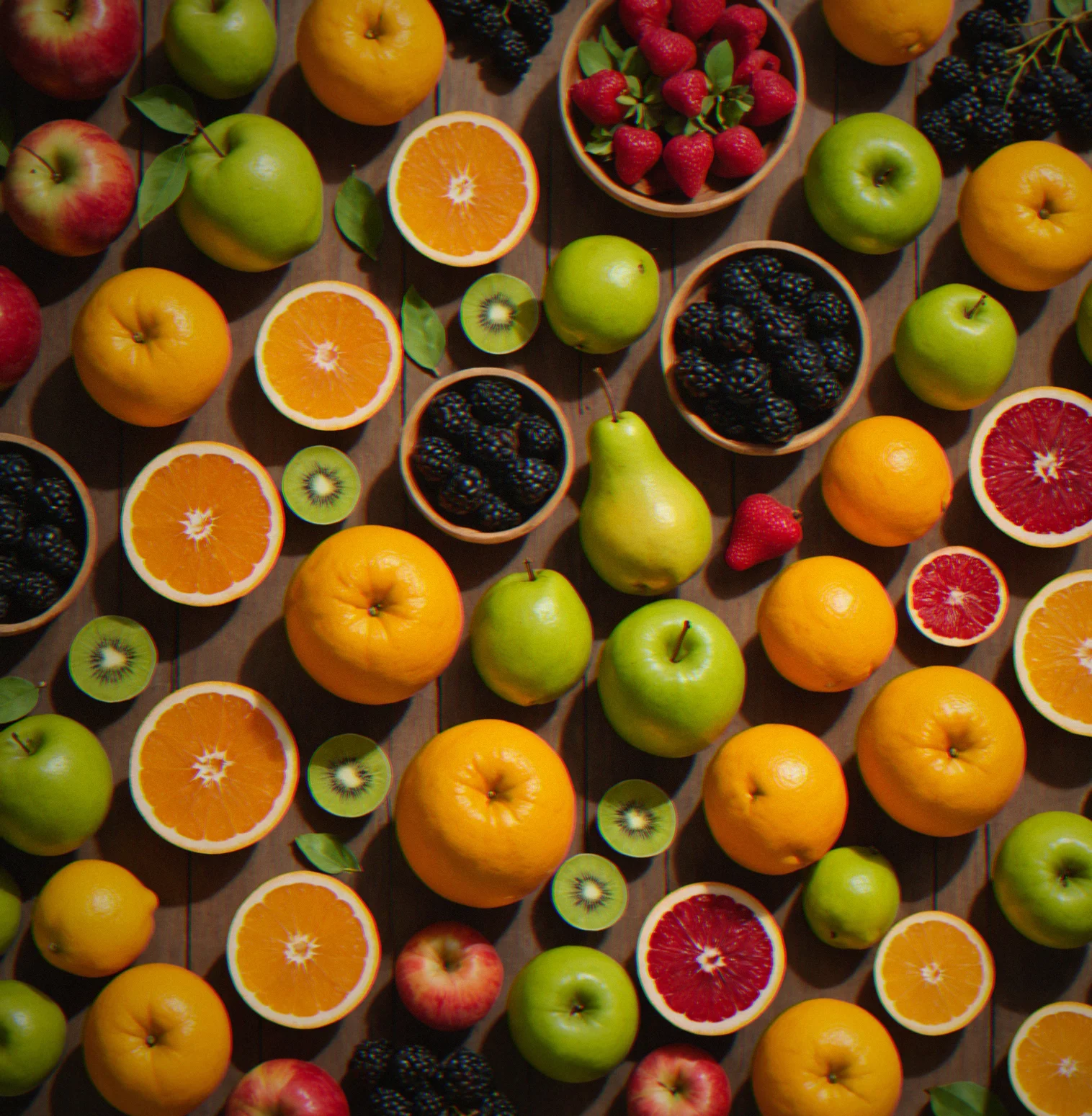
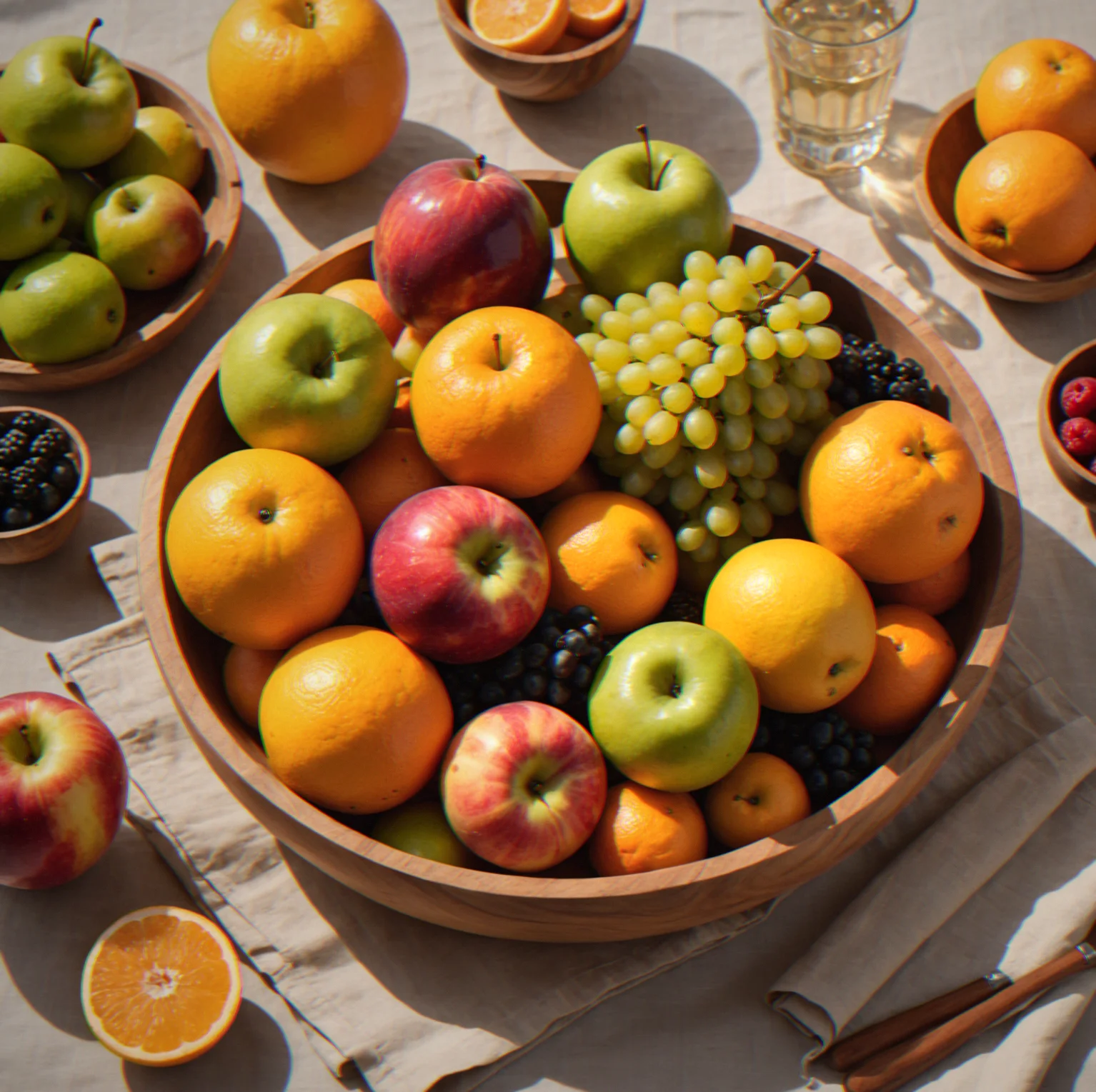
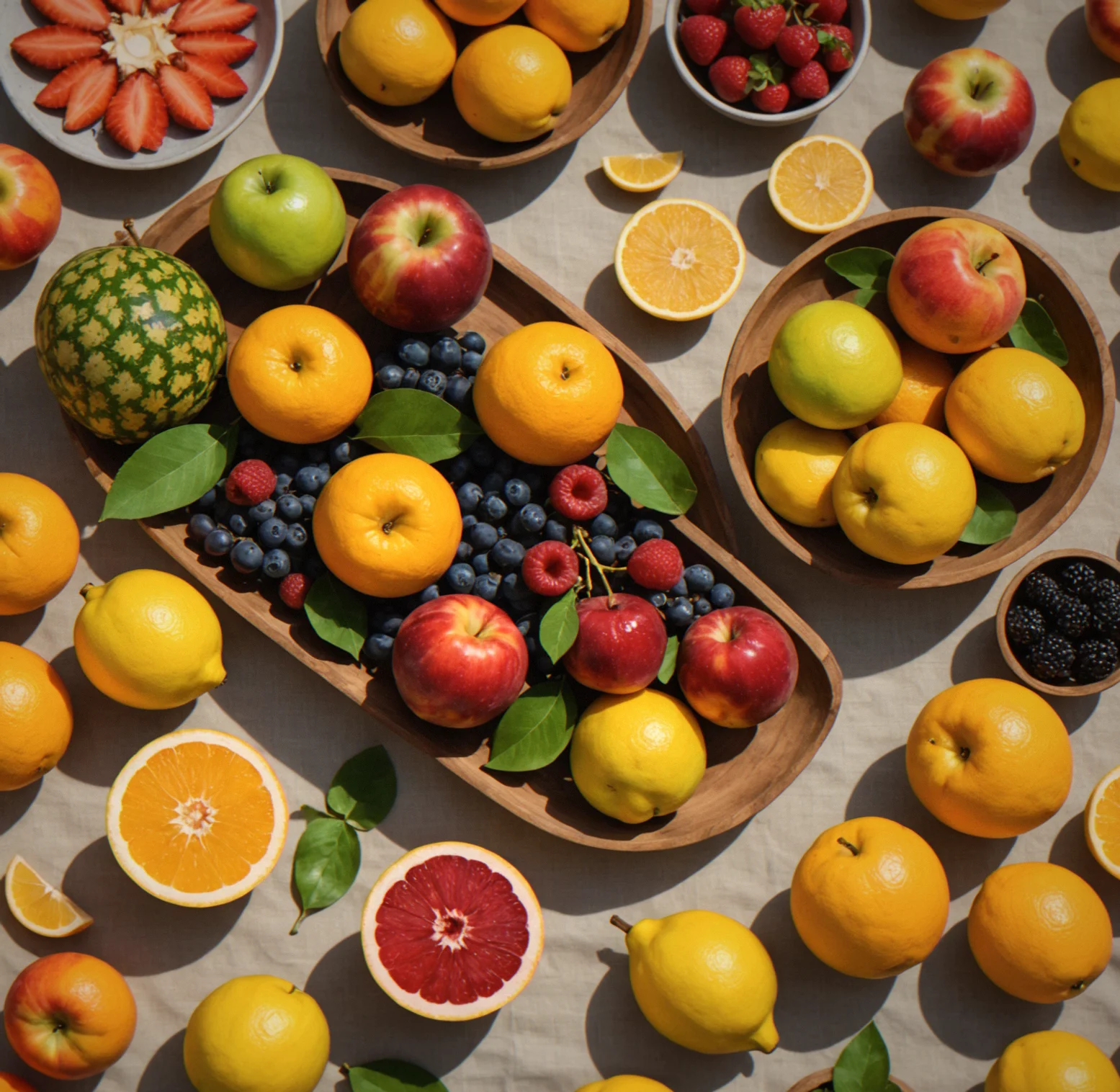
A Honeycrisp from an orchard a couple hours north tastes nothing like one picked too early and driven across the country. We buy straight from regional growers for apples and grapes. Exotic stuff comes through relationships we've built, not middlemen. Everything has a name, a place, and a story.
Why It Matters
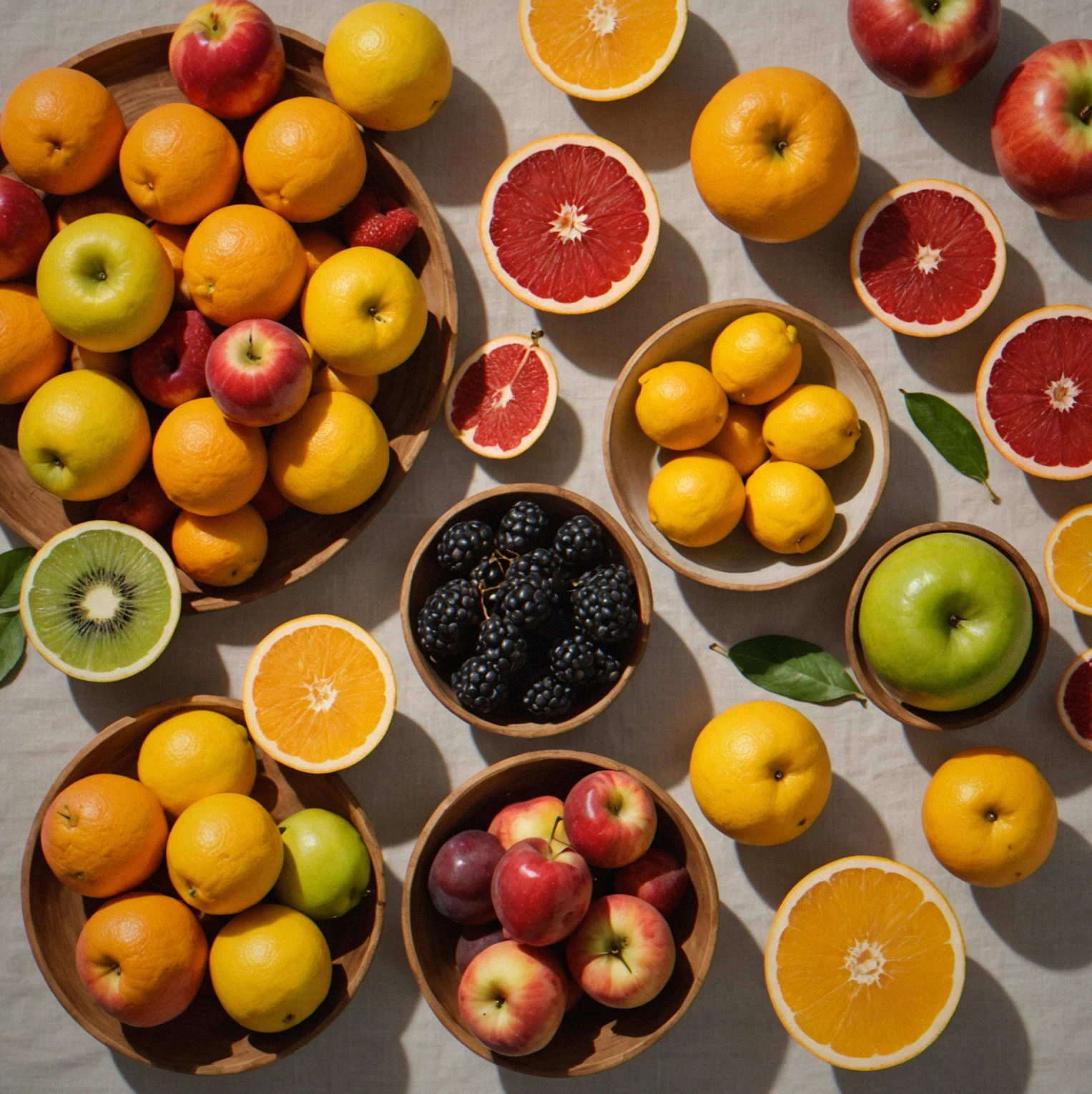
Fruit that ripens on the tree tastes completely different from stuff picked green and shipped across the country. You notice it immediately.
Direct Orchard Relationships
We work with about four regional orchards, all within a couple hours of here. Same Honeycrisp every time means the same grower, same soil, same harvest window. That's where the consistency comes from.
Import Partners Not Brokers
When we bring in mangoes from Peru or dragon fruit from the Philippines, we know the actual farms. Not just whoever's selling it that week. It changes everything about how the fruit tastes and when it peaks.
Seasonality Over Stock
Most fruit has maybe a three-week window where it's actually at its best. We chase that. It means you're not eating the wrong fruit just because it's available year-round.
How It Works
Why Regional and Imported Fruit Taste Completely Different
Take a Honeycrisp from Autumn Ridge Orchard, About 140 miles north of here. It ripens slowly—we're talking five weeks—on trees planted in heavy clay soil at around 1,200 feet up. Now compare that to the same apple grown thousands of miles away in some massive operation. Those get picked early when they hit 14 Brix instead of waiting for 16, then they spend six weeks in cold storage before they ever see a store Shelf. The difference in taste? It's not subtle. One actually tastes like an apple—crisp, interesting, almost wine-like. The other just tastes like... an apple-shaped thing. Soil changes everything. Elevation changes everything. When you Pick it changes everything.
140
miles to the nearest regional orchards
5
weeks from bloom to ready
4
distinct mango varieties in season right now
Growers You Know by Name
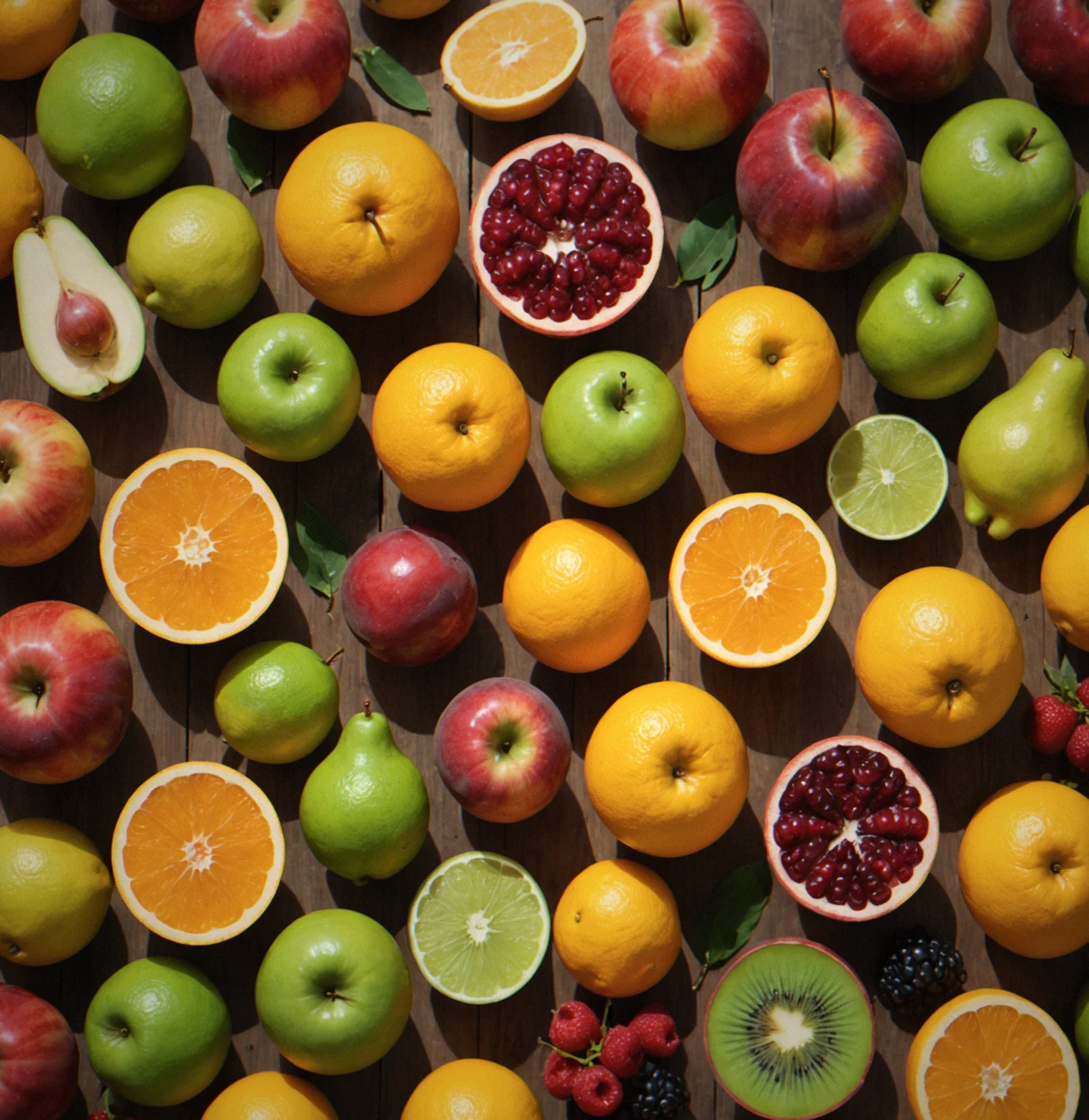
Autumn Ridge, Riverside, Mountain view. Four orchards all within a couple hours of each other, working the same soil with the same picking practices. A Honeycrisp tastes completely different when you can picture where it grew.
Mango Varieties, Not Just Mango
Ataulfo, Kent, Carrie. Each one peaks at its own time, which sounds like it'd be a headache but actually makes everything easier. Working with import partners means you get actual harvest dates instead of pretending mangoes exist year-round.
Seasonality Built In
Grapes are good for maybe three weeks. Ataulfo mangoes show up from May through July. Dragon fruit hits in August. You wait for the actual window instead of eating something mediocre that's been stretched across the whole year.
Pre-Order for Peak Ripeness
Reserve your box the week it's going to hit its best. Works especially well for late-season grapes and harder-to-find mangoes. It's straightforward and it works.
Origin Tracking
Guerrero, Peru, Philippines. You get to see exactly where your fruit came from and when someone picked it. These details actually matter for how it tastes and how long it keeps.
Storage and Ripeness Notes
Every box comes with instructions. How to keep it. When to eat it. You're not left guessing.
See what's in season right now.
Filter by variety, where it's from, and when it peaks.
What Makes the Difference
Why does a Honetcrisp from Autumn Ridge taste different from one that's traveled 2,000 miles to get here? It comes down to soil, elevation, when you pick it, how you store it. Take an apple that hits 16 Brix—pick it at that exact sweetness and throw it in regular cold storage for six weeks and you end up with mealy, disappointing fruit. Pick it at the same sugar level but use the right storage method and it stays crisp. The thing most retailers don't bother with is tracking which orchard it came from, what week it was harvested, what storage setup was actually used. That's how you get consistency. A mango from a broker is just a mango. A Carrie mango from a specific Florida farm we work with directly—that's something you can count on.
From Orchard to Table
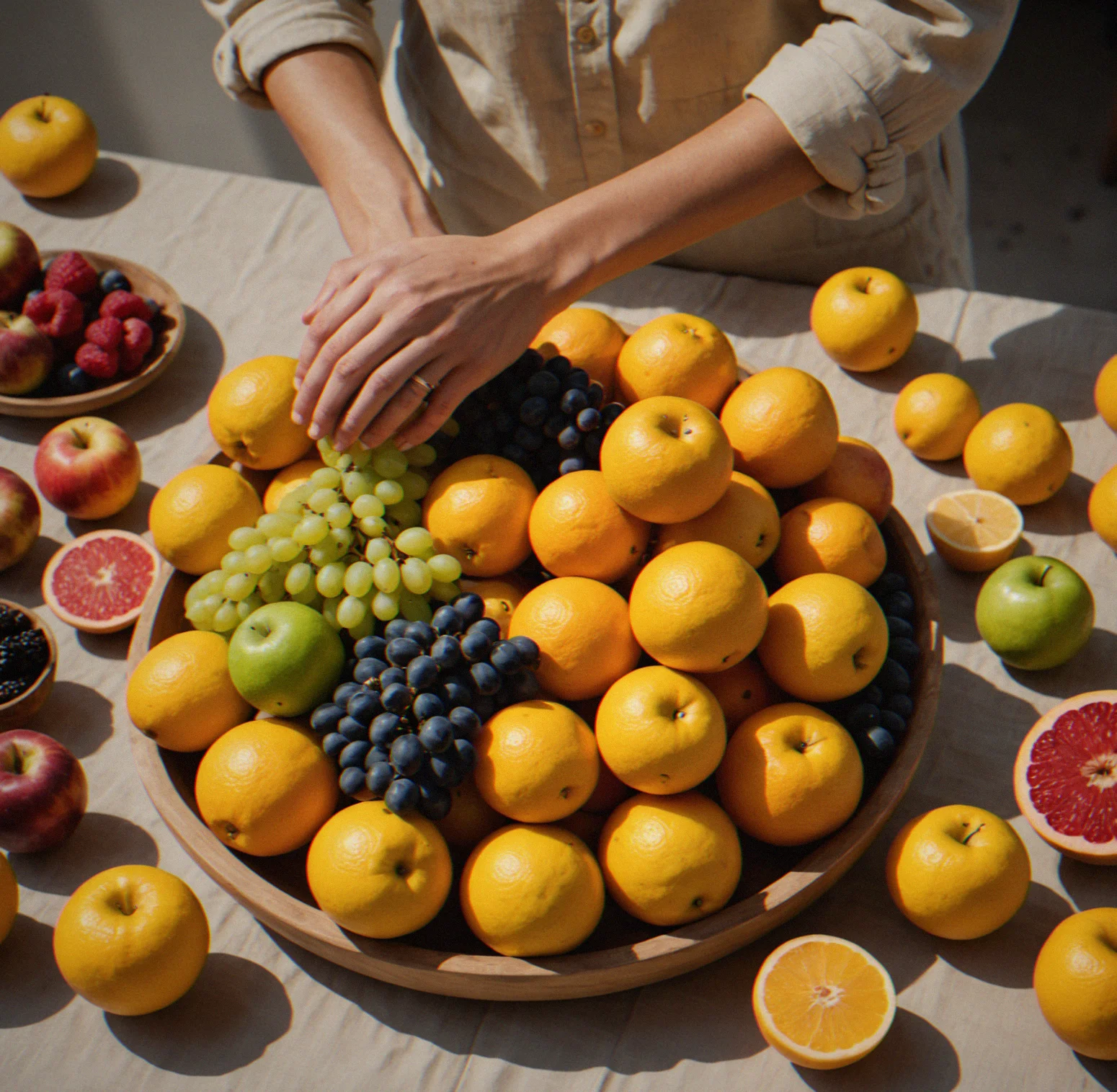
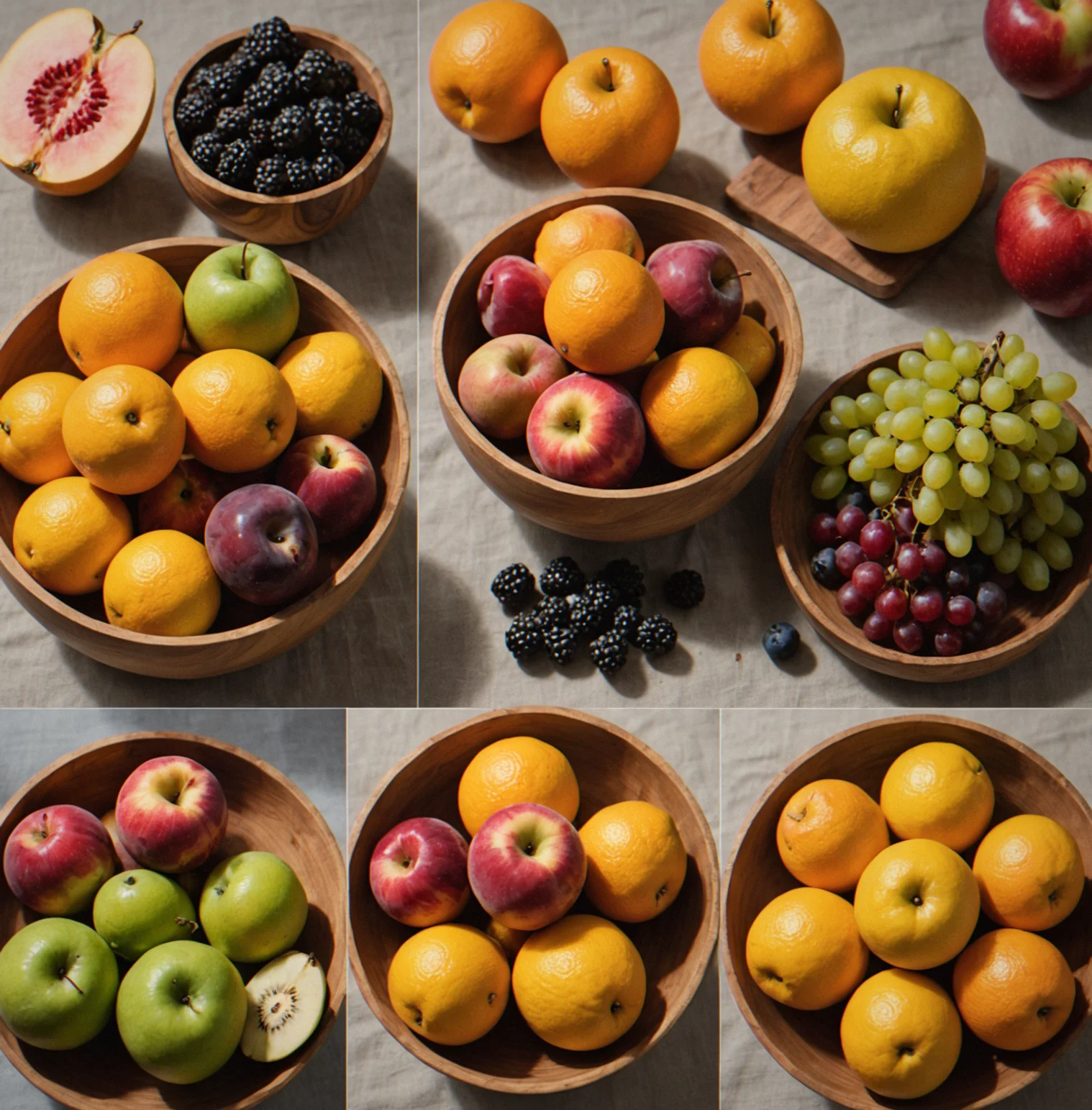
We work directly with regional orchards and import farms. Know the storage conditions and ripeness windows that actually matter. No middlemen cutting into the supply chain, no faceless brokers. You get exactly what we show you.
150 Miles or Further
Four orchards. Six import partners. One pick window per fruit. You can't get everything year-round—that's kind of the deal.
Where Our Stuff Comes From
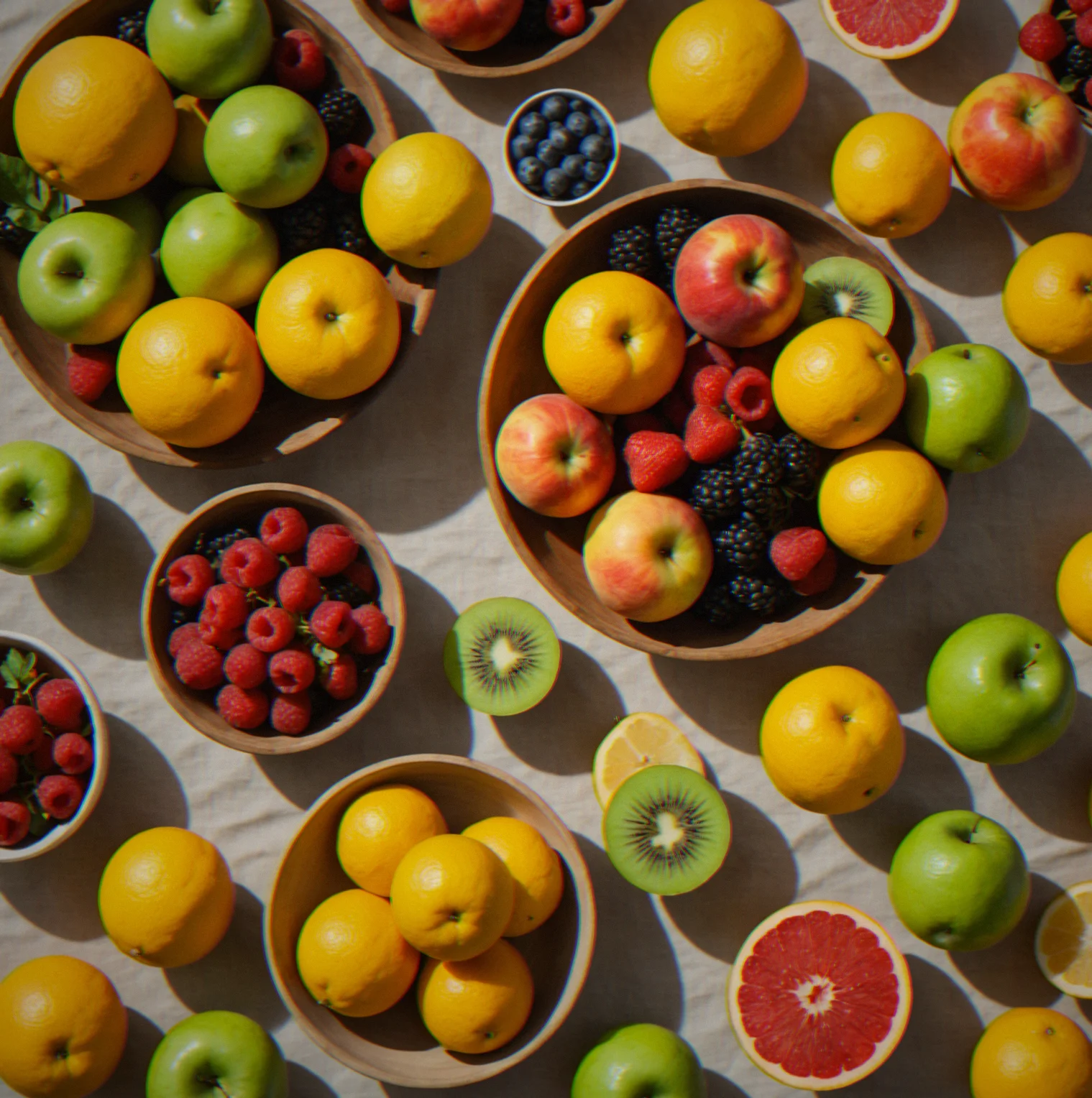
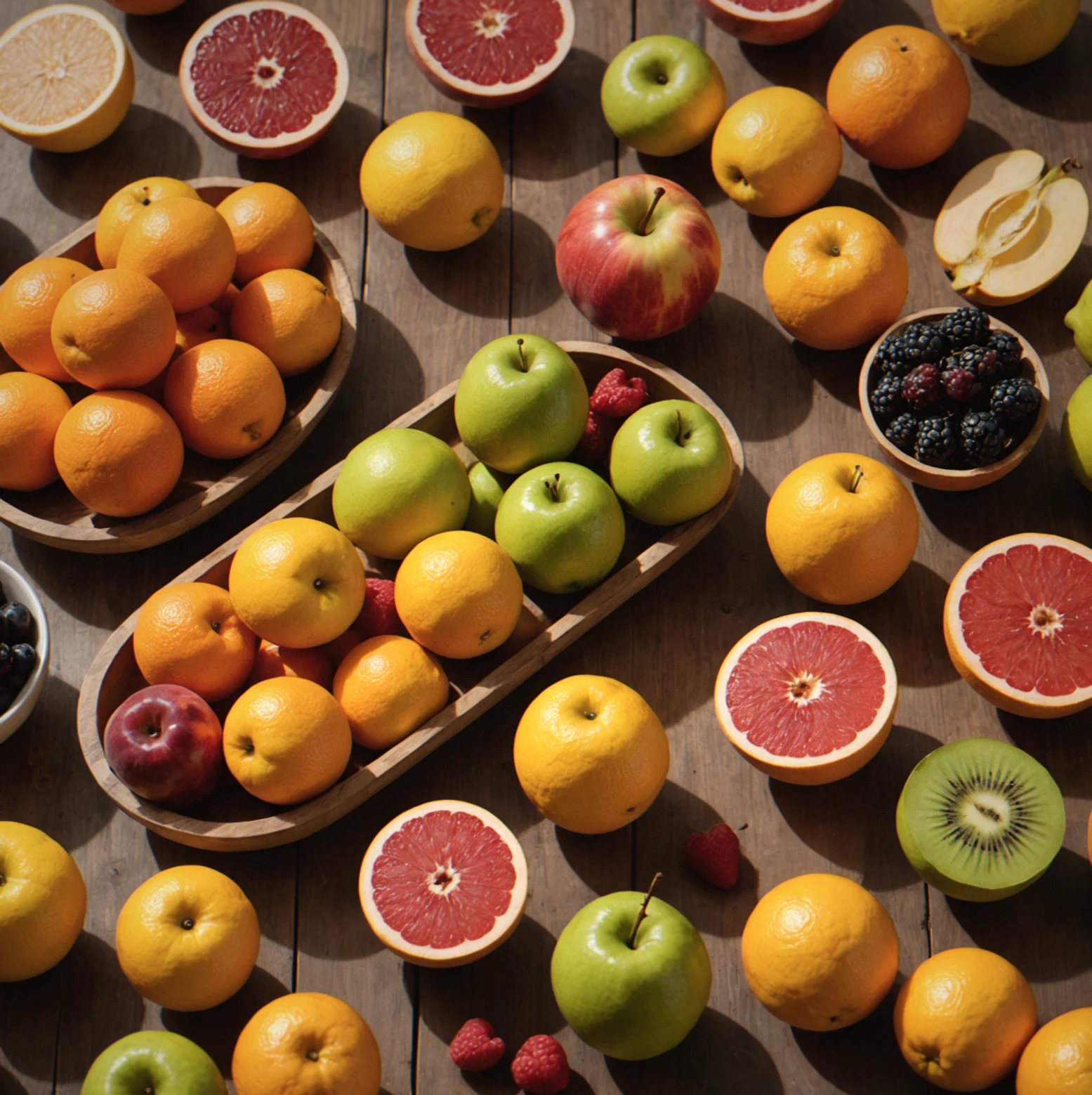
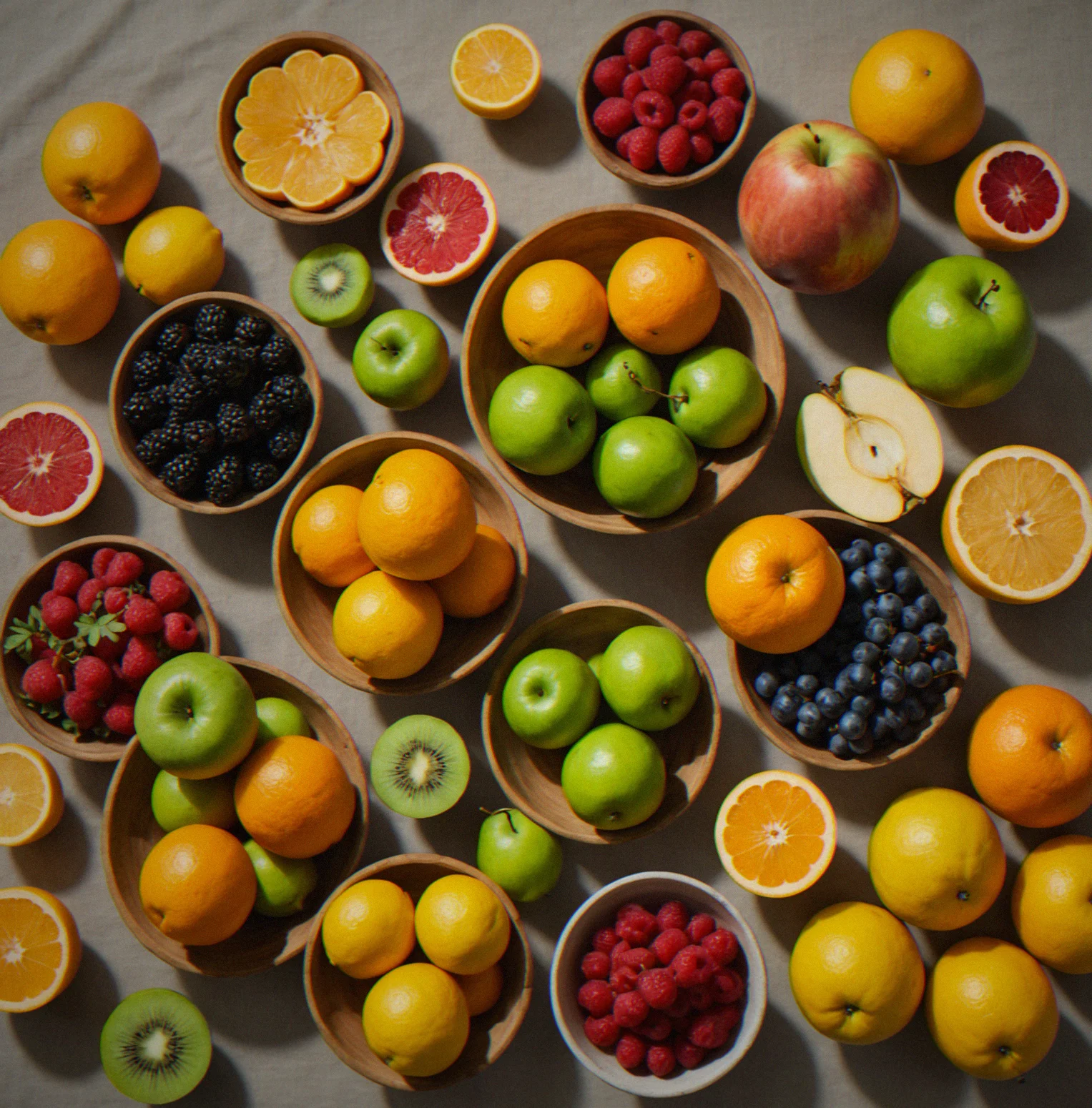
Four regional orchards. Five import partners spread across three countries. We use their real names because you deserve to know where your fruit actually came from. A Honeycrisp from Autumn Ridge tastes nothing like one that traveled two thousand miles in a temperature-controlled box. Sure, both are ripe. One sat in cold storage for six weeks. The other made it to your counter four days after being picked. You can taste that difference. That's the whole point. A mango from some broker is just a mango. A Carrie from a specific Florida farm is something else entirely—you know when it peaks, where it came from, what its story is.
Questions People Actually Ask
Straight answers about where stuff comes from, what it costs, when you can get it, and why this isn't just a nicer version of the supermarket produce aisle.
Because it's picked when it's actually ripe instead of hard as a rock. We keep it cold for 4 to 6 weeks instead of letting it sit for three months under lights. When you're moving smaller quantities, things turn over faster and nothing gets old. There's nobody in the middle taking a cut. A Honeycrisp at 16 Brix ripeness just costs more to get than one that was picked green and then gassed to look like it's ready to eat.
Not really. Ataulfo mangoes are best from May into July. Champagne grapes show up late August and maybe hang around for three weeks if you're lucky. Regional apples come in September and last through December depending on storage. That's kind of the whole thing—you wait for the season instead of eating mediocre fruit that's been stretched thin across the entire year.
Totally depends what it is. If you're careful with regional apples, you're looking at several weeks. Exotic fruit tends to peak just a few days after it arrives. Every order comes with storage notes so you know whether it should sit on the counter or go in the fridge, when to move it around, all that. You'll know what to look for.
Get in touch within a day and we'll send a replacement or give you your money back. Damage does happen sometimes in transit, but when fruit's ripe and only traveling 150 miles or so from local orchards, it shows up in way better shape than something that spent seven days bouncing around in a truck.
Right now it's pickup and local delivery only, within about 20 miles. We're testing regional shipping for pre-orders as of August 2026.
We work directly with five farms spread across Mexico, Peru, and the Philippines. We actually know the grower, we know how they harvest, and we know the window when it's at its best. It's not going through some broker situation, and yeah—that makes a real difference for both quality and being able to trace where it came from.
Get the weekly ripeness report.
What is in season right now. What peaks next week. Which orchard, which variety. Just five emails a year, no spam.